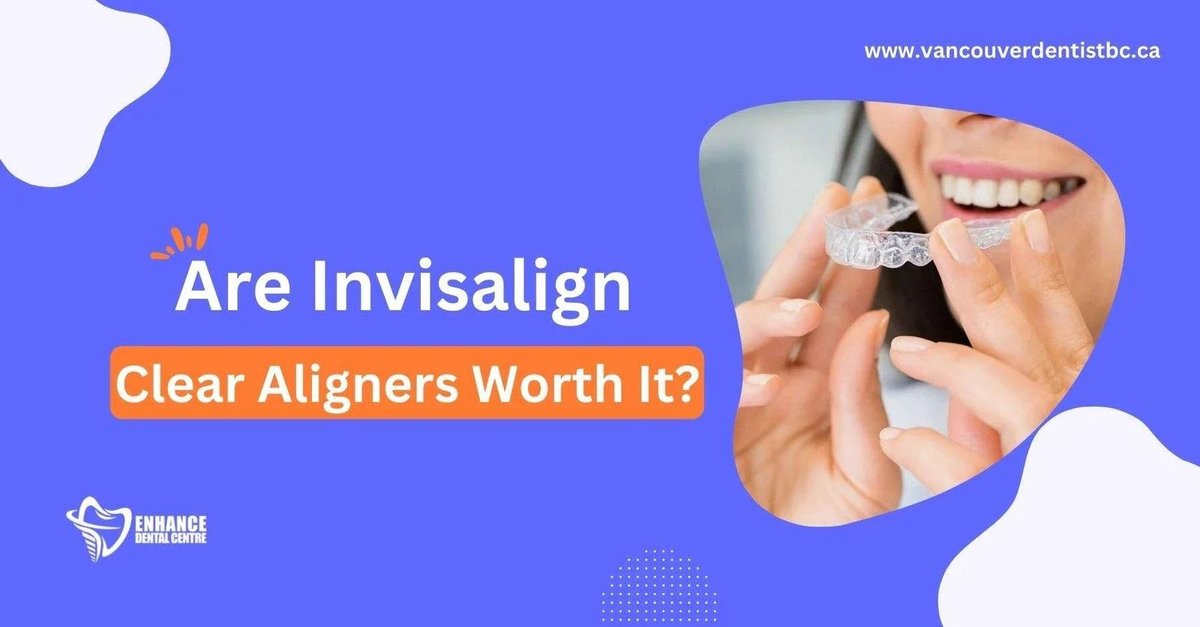
Dreaming of a straighter, more confident smile but dreading the thought of metal braces? You're not alone. Invisalign has revolutionized orthodontics, offering a discreet way to achieve the smile you've always wanted. But with its premium reputation, a common question echoes in many minds: Is Invisalign truly worth the investment for your unique situation?
Deciding on orthodontic treatment is a significant personal and financial choice. This hub is designed to cut through the noise, providing a comprehensive, human-first look at everything Invisalign entails. We'll explore the costs, the process, the pros and cons, and whether it aligns with your lifestyle and budget, connecting you to deeper dives on every facet of your journey.
Unpacking Invisalign: The Clear Path to a New Smile
Invisalign isn't just a product; it's a clear aligner system that's transformed how millions of adults and teens approach teeth straightening. Unlike traditional braces, these nearly invisible, custom-made trays gently shift your teeth into position over time. The system is remarkably effective for about 90% of cases, addressing everything from minor crowding to more complex bite issues.
Your journey always begins with an in-person consultation with an Invisalign dentist or orthodontist. They'll use advanced scans to map out your personalized treatment plan, showing you a digital preview of your future smile even before you begin. From there, you'll receive a series of aligner trays, typically changing them every 1-2 weeks, with regular check-ups every 4 to 6 weeks to ensure everything is progressing as planned.
The Investment: Understanding Invisalign Costs & Coverage
Let's be upfront: Invisalign is an investment. Comprehensive treatment can range anywhere from $3,500 to $8,500, a figure that covers your initial consultation, detailed treatment plan, all your aligner trays, in-person monitoring, and necessary adjustments. Several factors influence this cost, including the complexity and duration of your specific case, your geographic location, and your chosen provider. If you're weighing your options and wondering What does Invisalign really cost, our detailed guide breaks down these pricing factors and helps you understand potential avenues for financial relief.
Many dental insurance plans with orthodontic coverage may help offset a portion of the cost, often covering 25% to 50% or a predetermined amount. Don't have insurance? Most dentists understand the financial commitment and offer flexible payment plans, making treatment more accessible. Remember, the investment doesn't end when your last aligner comes off; lifelong retention, often with Vivera retainers costing $400 to $1,000, is crucial to maintain your beautiful new smile.
Your Treatment Journey: What to Expect with Invisalign
Committing to Invisalign means committing to a process. The average treatment duration is 12 to 18 months, though it can range from as little as 6 months for minor adjustments to over two years for more complex cases. Success hinges on your discipline: aligners must be worn 20-22 hours per day, only removed for eating, drinking (anything other than water), and cleaning.
During your treatment, you might find that your dentist recommends "attachments" – small, tooth-colored bumps bonded to your teeth that help the aligners grip more effectively. Some cases also require interproximal reduction (IPR), a gentle reshaping between teeth, or the use of elastic bands to correct bite issues. For a deeper dive into the day-to-day realities and what each stage feels like, our guide explores the Invisalign Treatment Process & Patient journey in detail. Invisalign also offers specialized options like Invisalign Teen, which includes compliance indicators, or shorter-term solutions like Invisalign Express or Lite for less severe corrections at a lower cost.
Invisalign vs. Traditional Braces: A Clear Choice?
When considering orthodontics, the comparison between Invisalign and traditional metal braces is inevitable. Invisalign offers several compelling advantages, primarily its near-invisibility, making it incredibly popular, especially among adults. You'll also appreciate the convenience of removability, allowing you to eat whatever you like without restrictions and easily maintain your oral hygiene. Patients often report greater comfort with Invisalign compared to the wires and brackets of traditional braces, and the ability to preview your final smile with ClinCheck® adds a layer of predictability.
However, Invisalign isn't without its trade-offs. Its main challenge is the high level of patient compliance required – those 20-22 hours of daily wear are non-negotiable. While effective for most, severe surgical cases or drastically misaligned bites might still necessitate traditional braces or additional treatments. Understanding these nuances is crucial for making an informed decision, and our dedicated article helps you weigh the Invisalign Benefits vs. Traditional Braces.
Beyond Treatment: Ensuring Your Invisalign Results Last
Completing your Invisalign treatment is a momentous occasion, but it's not the final step. To protect your investment and maintain your newly straightened smile for a lifetime, retention is absolutely essential. This typically involves wearing Vivera retainers, custom-made clear retainers that prevent your teeth from shifting back to their original positions. Initially, you might wear them full-time, gradually transitioning to nighttime wear.
Neglecting retention can undo all the hard work and financial commitment you've put in. Think of retainers as the insurance policy for your beautiful new smile. For strategies on how to protect your results and ensure they stand the test of time, you'll want to Get lasting Invisalign results. Achieve and understand the importance of ongoing care.
Exploring Your Options: When Invisalign Isn't the Right Fit
While Invisalign is an excellent solution for many, it's not the only path to a straighter smile, nor is it always the most suitable or affordable. If your dental issues are minor or if cost is a primary concern, you might find value in exploring alternatives. At-home clear aligners, for instance, offer a more budget-friendly option for mild to moderate corrections due to their remote monitoring model.
Companies like Aligner32, NewSmile, Smileie Pro, and ALIGNERCO provide various plans, often significantly less expensive than Invisalign, with features like nighttime-only wear options, flexible payment plans, and included retainers or whitening kits. However, it's crucial to understand that these services typically lack the in-person supervision of an orthodontist. To thoroughly compare your choices and understand the landscape beyond Invisalign, it's wise to Explore Invisalign alternatives. Invisalign alternatives and see which options align best with your specific needs and budget.
Making Your Decision: Is Invisalign Worth It For You?
So, is Invisalign worth it? The answer ultimately depends on your individual priorities, lifestyle, and dental needs. If you have moderately to severely crooked teeth, can comfortably afford the cost (or secure suitable financing), highly value a discreet treatment experience, and are genuinely committed to wearing your aligners for 20-22 hours a day, then Invisalign can be an incredibly rewarding investment in your self-confidence and oral health. It's particularly appealing for adults who prioritize a less noticeable orthodontic solution without the aesthetic impact of traditional braces.
Weigh the pros and cons carefully, consider your financial situation, and most importantly, consult with a qualified Invisalign provider. They can assess your specific case and guide you toward the best decision for your smile.
Your Journey to a Brighter Smile Starts Now
Embarking on orthodontic treatment is a personal journey, and with Invisalign, you're choosing a path that prioritizes aesthetics and modern convenience. Armed with the right information, you can confidently decide if this innovative clear aligner system is the key to unlocking the smile you've always envisioned. Remember, a confident smile is within reach – take the next step and explore what's possible for you.