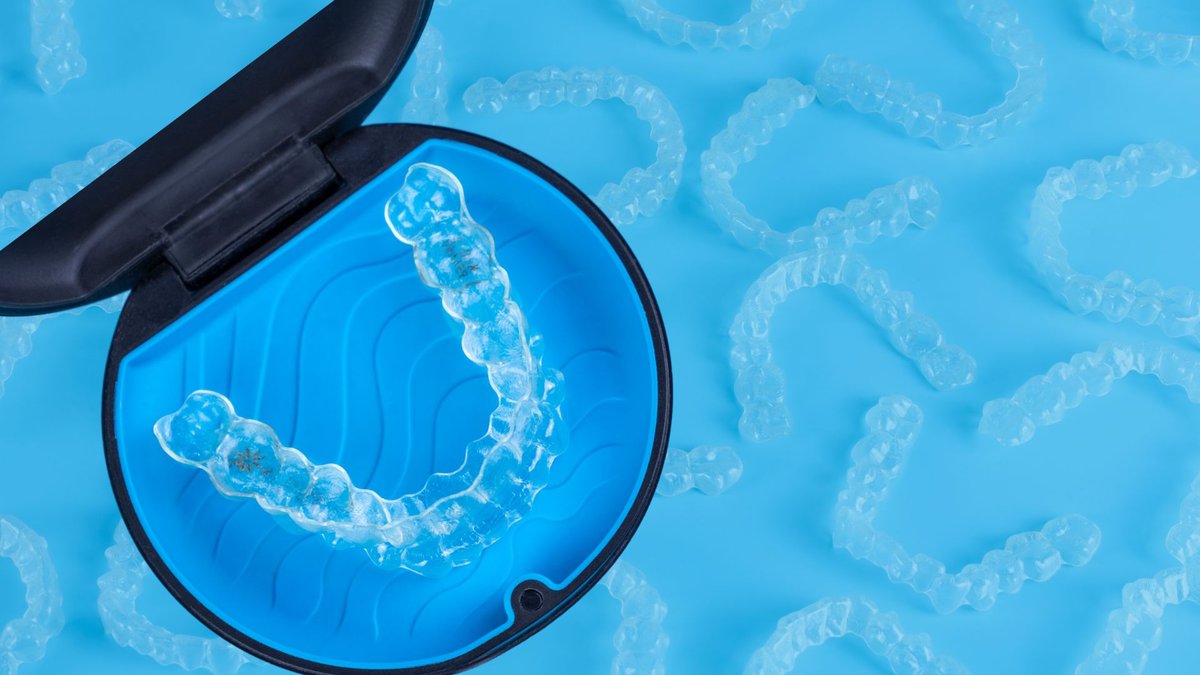
You've likely seen the ads: perfectly aligned smiles, achieved discreetly with clear, nearly invisible aligners. It’s an appealing vision, prompting many to ask: "Is Invisalign right for me?" The answer isn't always straightforward. Deciding whether Invisalign is the ideal path for your smile transformation involves a detailed look at your dental health, lifestyle, and commitment. This isn't just about wishing for straighter teeth; it's about understanding the specific candidacy requirements and what the treatment truly entails.
Invisalign is a modern orthodontic method that utilizes a series of custom-made, clear plastic aligners to gradually shift your teeth into their desired positions. Unlike traditional braces, there are no wires or brackets, offering a more comfortable and less noticeable experience. These aligners are worn for about 22 hours each day and are typically replaced with a new set every two to three weeks, with treatment durations generally ranging from 10 to 18 months. But before you envision your dream smile, let's assess if you're a good fit.
At a Glance: Your Invisalign Candidacy Checklist
- Age: Suitable for most ages, from teens whose permanent teeth have erupted to adults well into their 60s and beyond.
- Dental Health: Free from active cavities, gum disease, or other significant oral health issues. These must be resolved first.
- Problem Severity: Effective for a wide range of mild to moderate bite and alignment issues, and increasingly, more complex cases.
- Commitment: Requires strong discipline to wear aligners consistently (22 hours/day) and follow all care instructions.
- Permanent Teeth: All permanent teeth should have erupted, including second molars.
Unpacking Invisalign: Beyond the Hype
Before diving into candidacy, let's quickly clarify what Invisalign is and isn't. It's an innovative orthodontic system that offers significant advantages over traditional braces for many patients. The key lies in its removable nature and near-invisibility. This allows for easier eating, brushing, and flossing, contributing to better oral hygiene throughout your treatment. The smooth plastic aligners also tend to be more comfortable, reducing the mouth sores and irritation often associated with metal brackets and wires.
However, Invisalign isn't a magic wand. Its effectiveness hinges on precision planning by your orthodontist and your unwavering adherence to the treatment protocol. Understanding this fundamental aspect sets the stage for a realistic assessment of whether it’s right for you.
The Ideal Invisalign Candidate: More Than Just Straight Teeth
Being a good candidate for Invisalign goes beyond simply having crooked teeth. It involves a combination of dental factors, age considerations, and crucially, your personal commitment to the process.
Age is (Mostly) Just a Number
One of the most common questions revolves around age, and the good news is, Invisalign is incredibly versatile.
- Children & Pre-Teens: While not explicitly covered in our initial context, early interceptive orthodontics can sometimes use aligners for specific issues. However, for full treatment, it’s generally recommended that all permanent teeth have erupted.
- Teenagers (Invisalign Teen): This demographic is particularly well-suited for Invisalign. Once all permanent teeth have emerged, teens can enjoy the benefits of clear aligners. The Invisalign vs. traditional braces debate often favors Invisalign for teens due to its aesthetic advantages and comfort. Special features, like compliance indicators (small blue dots that fade with wear time) and eruption tabs for wisdom teeth, make Invisalign Teen a tailored solution. It’s custom-made, easily removable for eating and hygiene, and generally leads to fewer emergency orthodontic visits compared to metal braces which can break or poke.
- Adults (40s, 50s, 60s, and beyond): There is no upper age limit for Invisalign. In fact, many adults who missed out on orthodontic treatment in their youth or whose teeth have shifted over time are excellent candidates. While treatment might take slightly longer for adults compared to adolescents due to bone density and tooth mobility differences, the results are just as effective. The discreet nature of Invisalign makes it a highly popular choice for working professionals and those who prefer to keep their treatment private. The increased confidence that comes from a subtly improving smile can be a significant boost at any age.
Your Oral Health Status: The Non-Negotiable Foundation
This is perhaps the most critical determinant of Invisalign candidacy. Before your teeth can be moved, your mouth must be a healthy environment.
- No Active Dental Problems: Any existing issues such as cavities, gum disease (gingivitis or periodontitis), or untreated infections must be addressed and resolved by your general dentist before you can begin Invisalign treatment. Moving teeth in an unhealthy mouth can exacerbate these problems, leading to serious complications.
- Sufficient Bone Support: Healthy gums and adequate bone support around your teeth are essential. Your orthodontist will assess this through X-rays during your initial consultation. If bone loss is significant, additional dental work might be required first.
- Overall Jaw Health: Issues with your temporomandibular joint (TMJ) or severe bite problems may require a more complex treatment approach, which an orthodontist will evaluate.
The Problem Severity Spectrum: What Invisalign Can Tackle
Invisalign has evolved considerably and can now effectively treat a broad range of orthodontic issues, from simple cosmetic adjustments to more complex bite corrections.
- Crowding: When your jaw doesn't have enough space for all your teeth to fit normally, causing them to overlap or twist.
- Spacing/Gaps: When there's too much space between your teeth, which can be both an aesthetic concern and a trap for food particles.
- Overbite: When your upper front teeth overlap significantly with your lower front teeth.
- Underbite: When your lower front teeth extend out beyond your upper front teeth.
- Crossbite: When some of your upper teeth bite inside your lower teeth.
- Open Bite: When your upper and lower front teeth don't meet when your mouth is closed.
While Invisalign is highly effective for many cases, very severe malocclusions or skeletal discrepancies might still require traditional braces or even a combination of orthodontic treatments. However, it's worth noting that advancements continue to expand how Invisalign can address more complex dental challenges, so what might have been deemed unsuitable a few years ago could be treatable today. Only a thorough evaluation by an experienced orthodontist can provide a definitive answer for your specific situation.
The Commitment Factor: Your Role in Success
This is where the "human" element of candidacy comes into play, and it’s just as important as your dental health. Invisalign is highly effective, but it’s not passive treatment.
- The 22-Hour Rule: The cornerstone of Invisalign success is consistent wear. You must wear your aligners for at least 20-22 hours every single day. They should only be removed for eating, drinking anything other than water, brushing, and flossing. If you struggle with discipline or foresee challenges adhering to this schedule, Invisalign might not yield the desired results, and traditional braces (which are fixed) could be a better alternative.
- Regular Aligner Changes: You’ll be responsible for switching to a new set of aligners every one to two weeks, as directed by your orthodontist. Missing changes or changing too early/late can disrupt your progress.
- Oral Hygiene Diligence: Because you remove your aligners, maintaining oral hygiene is easier than with braces, but it requires diligence. You’ll need to brush and floss after every meal before putting your aligners back in. This prevents food particles and bacteria from getting trapped against your teeth, which can lead to cavities or gum disease. maintaining optimal oral hygiene with Invisalign is critical throughout your treatment.
- Orthodontic Appointments: While generally less frequent than with traditional braces, you'll still need to attend regular check-ups with your orthodontist to monitor progress and receive new sets of aligners.
When Invisalign Might Not Be Your Best Option
While suitable for many, Invisalign isn't a universal solution. Understanding the scenarios where it might not be the right fit can save you time and potential disappointment.
- Insufficient Dental Support or Severe Periodontal Disease: If you have significant bone loss around your teeth or advanced gum disease, your teeth might not be stable enough to undergo orthodontic movement. Addressing these foundational issues is paramount before any alignment treatment can begin.
- Poor Oral Hygiene Habits: As mentioned, consistent and meticulous oral hygiene is non-negotiable with Invisalign. If you struggle with regular brushing and flossing, or tend to neglect your dental health, aligners can trap bacteria and food, significantly increasing your risk of cavities and gum disease. In such cases, your orthodontist might recommend improving your habits first or considering fixed braces.
- Lack of Motivation or Discipline: The success of Invisalign is heavily reliant on patient compliance. If you're not committed to wearing your aligners for the prescribed 20-22 hours daily, removing them only for meals, and changing them as scheduled, your treatment will not progress as planned, or worse, may relapse. For those who doubt their ability to stick to the regimen, traditional braces offer a fixed solution that removes the element of daily patient compliance for wear time.
- Very Complex Orthodontic Issues: While Invisalign’s capabilities continue to expand, certain extremely severe malocclusions, significant skeletal discrepancies requiring jaw surgery, or certain types of tooth movements (e.g., rotating severely impacted teeth) might be more effectively addressed with traditional braces or a hybrid approach. Your orthodontist will be able to tell you if your case falls into this category.
- Unrealistic Expectations: It’s important to have realistic goals for your treatment. While Invisalign can deliver remarkable transformations, it’s crucial to discuss your desired outcomes with your orthodontist and understand what’s realistically achievable.
Your Journey to a Straighter Smile: The Consultation Process
So, you've considered the factors, and you believe Invisalign might be a good fit. What's the next step? It all begins with a comprehensive initial consultation with a qualified orthodontist.
- Schedule Your Initial Appointment: This is your first and most crucial step. Seek out an experienced orthodontist who specializes in Invisalign treatment.
- Thorough Examination and Diagnostics: During this visit, your orthodontist will conduct a detailed examination of your teeth, gums, and bite. This typically includes:
- Visual Assessment: Looking at your current alignment, bite, and overall oral health.
- Dental Photos: Capturing images of your teeth from various angles.
- X-rays: Providing an internal view of your teeth roots, jawbone, and any underlying issues.
- 3D Intraoral Scan: Using advanced technology, a precise 3D digital model of your teeth will be created. This eliminates the need for messy traditional impressions.
- Discussion and Goal Setting: Your orthodontist will review your dental history, discuss your current concerns, and importantly, listen to your treatment goals and desires. This is your opportunity to clearly articulate what you hope to achieve with your smile.
- Treatment Plan Proposal: Based on the diagnostic records, your orthodontist will create a personalized treatment plan. If Invisalign is deemed suitable, they will show you a digital representation (ClinCheck®) of how your teeth will move throughout the treatment, from start to finish, and the expected final outcome. This plan will also detail:
- The estimated number of aligners required.
- The projected duration of your treatment.
- Any auxiliary treatments needed (e.g., attachments, interproximal reduction, retainers post-treatment).
- The total estimated cost (more on that next!).
- If Invisalign isn't the best option for you, the orthodontist will discuss alternative treatments, such as traditional braces, and explain why they might be more appropriate. This comprehensive overview is part of what the Invisalign treatment process entails from consultation to completion.
Demystifying the Cost: What to Expect
The cost of Invisalign treatment is a common concern, and it's natural to want a clear picture upfront. Generally, Invisalign can range from $4,000 to $6,000, but this is a broad estimate. Several factors influence the final price:
- Complexity of Your Case: More severe alignment issues requiring a greater number of aligners and a longer treatment time will typically cost more.
- Geographic Location: Orthodontic fees can vary significantly based on your region or city.
- Orthodontist's Experience: Highly experienced or specialized orthodontists might charge more for their expertise.
- Included Services: The total cost usually covers all aligners, attachments, refinement aligners, and follow-up appointments. Be sure to clarify what's included.
- Retainers: Post-treatment retainers are crucial for maintaining your new smile and may or may not be included in the initial quote. Always ask.
Many orthodontic practices offer payment plans, and a portion of the cost may be covered by dental insurance if you have orthodontic benefits. It's always best to have an open discussion about financing during your initial consultation. To dive deeper, you can explore resources on understanding the cost of Invisalign treatment.
Caring for Your Aligners and Your Transformed Smile
Once you begin your Invisalign journey, proper care of your aligners and continued oral hygiene are paramount for both the success of your treatment and the health of your teeth.
- Rinse After Removal: Every time you take out your aligners (before meals, etc.), give them a quick rinse under lukewarm water. This helps prevent dried saliva and plaque buildup.
- Clean Daily: Clean your aligners daily using a soft-bristled toothbrush and mild soap. Avoid abrasive toothpaste, which can scratch the aligners and make them cloudy. There are also specialized aligner cleaning solutions available.
- Remove for Eating/Drinking: Always remove your aligners when eating or drinking anything other than plain water. Leaving them in can stain the aligners, trap food particles, and even damage the plastic.
- Store Properly: When your aligners aren't in your mouth, store them in their protective case. This prevents them from getting lost, damaged, or contaminated. Never wrap them in a napkin, as they can easily be thrown away by accident!
- Maintain Excellent Oral Hygiene: This cannot be stressed enough. Brush and floss your teeth after every meal before reinserting your aligners. This ensures that no food particles or bacteria are trapped against your teeth, which could lead to cavities or gum disease.
- Regular Orthodontist Visits: Continue attending all scheduled appointments. Your orthodontist needs to monitor your progress, provide you with new aligner sets, and make any necessary adjustments to your treatment plan.
By diligently following these simple care instructions, you’ll ensure your aligners remain clean, effective, and your overall oral health stays in top condition throughout your treatment. For more comprehensive guidance on this topic, refer to maintaining optimal oral hygiene with Invisalign.
Making Your Decision: Key Takeaways Before Your Consultation
Deciding on orthodontic treatment is a significant personal choice, impacting not just your smile but your daily life for the duration of the treatment. Invisalign offers a powerful, discreet, and comfortable alternative to traditional braces for many.
As you consider whether Invisalign is right for you, remember these critical points:
- Prioritize Oral Health: Your teeth and gums must be healthy before starting any alignment treatment. Address cavities, gum disease, or other issues first.
- Assess Your Commitment: Invisalign demands consistent wear (22 hours/day) and meticulous aligner care. Be honest with yourself about your ability to commit to this regimen.
- Consult an Expert: The only way to definitively determine your candidacy is through a comprehensive consultation with an experienced orthodontist. They will evaluate your specific dental situation, discuss your goals, and provide a tailored treatment plan or recommend alternatives.
- Understand the Full Scope: Be clear on the treatment duration, the number of aligners, the cost, and what the aftercare (retainers) will entail.
Your journey to a healthier, more confident smile begins with informed decisions. By understanding the criteria for candidacy and approaching the process with a clear mind and realistic expectations, you'll be well-equipped to discuss your options with your orthodontist and embark on the path that's truly best for you.