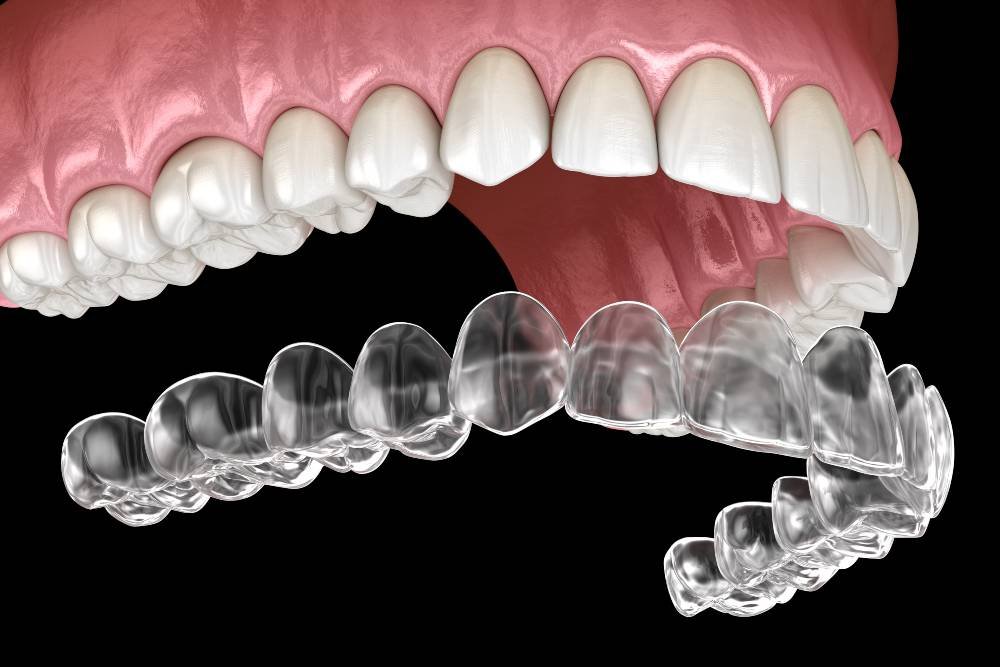
That gleaming, perfectly aligned smile you’ve worked so hard for with Invisalign isn't just a fleeting moment; it's an investment meant to last. But here’s the crucial truth often whispered rather than shouted: Invisalign results longevity requires consistent retention for life. Think of it less as a finish line and more as a continuous journey, where diligent aftercare is your ticket to a lifetime of confident, straight teeth.
Achieving a stellar smile with Invisalign is a fantastic accomplishment. Yet, without the right steps post-treatment, those beautifully aligned teeth have a natural, almost mischievous, tendency to drift back towards their old ways. This article isn't just about what happens after Invisalign; it's your definitive guide to understanding why retention is non-negotiable, how to secure your results, and what common pitfalls to avoid. Let’s dive into making your Invisalign results truly permanent.
At a Glance: Key Takeaways for Lasting Invisalign Results
- Retention is Non-Negotiable: Your teeth naturally want to shift back, a process called relapse. Retainers are your primary defense.
- Retainers for Life: Most dental professionals recommend wearing retainers indefinitely, transitioning from full-time to nighttime wear.
- Two Main Types: Understand the difference between fixed (permanent wire) and removable (clear trays) retainers to choose what's right for you.
- Threats to Stability: Non-compliance, aging, oral habits (grinding, clenching), wisdom teeth, and oral health issues can all cause shifts.
- Proactive Care is Prevention: Regular dental visits, excellent oral hygiene, and avoiding damaging habits are crucial for long-term success.
- Minor Shifts Are Correctable: If small changes occur, don't despair; your orthodontist can often address them with updated retainers or new aligners.
The Post-Invisalign Reality: Why Your Teeth Want to Move Back
You’ve completed your Invisalign journey. Your aligners are put away, and you're enjoying your new smile. So, why can't you just "set it and forget it"? The answer lies in the biology of your mouth.
When Invisalign aligners gradually move your teeth, they're not just sliding them into new positions; they're gently remodeling the bone and soft tissues around them. Your periodontal ligaments, which connect your teeth to your jawbone, stretch and reorganize. Your jawbone itself reshapes. This entire system needs time to stabilize in its new configuration. If you remove the gentle pressure of the aligners and don't replace it with anything, those ligaments and tissues have a "memory." They naturally try to pull your teeth back to their original, pre-treatment positions. This phenomenon is known as relapse.
It's similar to straightening a sapling tree. You can bend it and guide it, but if you remove the stakes too soon, it will spring back to its original lean. For your teeth, the "stakes" are your retainers, holding everything firmly in place until the surrounding structures fully solidify. And even then, due to natural aging processes and daily wear and tear, some ongoing support is almost always necessary to maintain that pristine alignment.
Your Lifetime Allies: Understanding Retainers
Retainers are the unsung heroes of post-orthodontic care, specifically designed to prevent relapse and lock in your Invisalign results for the long haul. There are two primary types, each with its own advantages and considerations.
Fixed (Permanent) Retainers: The Set-It-and-Forget-It Option
Imagine a discreet, thin wire bonded to the back of your front teeth – usually from canine to canine, sometimes more. That’s a fixed, or permanent, retainer. Once placed, it stays there, silently doing its job 24/7.
Pros:
- Always Working: You don’t have to remember to wear it; it’s consistently holding your teeth in place. This makes compliance effortless.
- Invisible: Bonded to the back of your teeth, it's completely out of sight.
- Long-Term Stability: Excellent for maintaining alignment, especially in the critical front teeth which are most prone to shifting.
Cons: - Oral Hygiene Challenges: Flossing around a fixed wire requires a bit more effort, often needing specialized tools like floss threaders or water flossers. If not cleaned properly, plaque and tartar can build up.
- Potential for Breakage: While durable, the wire or bond can sometimes loosen or break, requiring a trip to the orthodontist for repair.
- Not for Everyone: Depending on your bite and specific needs, a fixed retainer might not be suitable for all teeth or all patients.
Removable Retainers: Flexibility and Personal Responsibility
Removable retainers are custom-made trays, typically clear and similar in appearance to your Invisalign aligners (often called Vivera® retainers if made by Align Technology). They fit snugly over your teeth, usually covering all the teeth in an arch.
Pros:
- Easy to Clean: You can remove them for brushing and flossing, allowing for thorough oral hygiene. The retainers themselves are also easy to clean.
- Comfort: Many patients find them comfortable once they get used to them.
- Adaptable Wear Schedule: Initially full-time, their use gradually tapers to nighttime-only, offering flexibility for daily life.
Cons: - Compliance-Dependent: The biggest challenge. They only work if you wear them as prescribed. Forgetting to wear them, or losing them, can quickly lead to relapse.
- Can Be Lost or Damaged: Because they’re removable, they’re susceptible to being misplaced, stepped on, or even chewed by pets. Replacing them can be an unexpected cost.
- Cleaning Required: Just like your Invisalign aligners, removable retainers need daily cleaning to prevent bacteria buildup and odors.
Choosing Your Retainer: A Personalized Decision
The decision between fixed and removable, or even a combination of both, is highly individual. Your orthodontist will consider several factors:
- The severity of your original case: How much movement occurred?
- Your bite and tooth stability: Are certain teeth more prone to shifting?
- Your lifestyle and habits: Are you prone to losing things? Are you diligent about oral hygiene?
- Your personal preference: What feels most comfortable and manageable for you?
It's a collaborative decision, so don't hesitate to ask questions and discuss your concerns with your dental professional.
The Retention Regimen: What to Expect Post-Invisalign
Once your final Invisalign aligner tray is complete, your orthodontist will prescribe a specific retention protocol. This isn't a suggestion; it's the bedrock of lasting results. While specific instructions may vary slightly, the general timeline follows a predictable pattern.
The Initial Phase: Full-Time Commitment
Immediately following your active Invisalign treatment, you'll enter the most critical retention phase. Your orthodontist will likely instruct you to wear your removable retainers full-time, typically for the first 3 to 6 months.
Why it's critical: During this period, your teeth are still settling into their new positions, and the bone and ligaments are healing and reorganizing. Consistent, full-time wear provides the necessary stability to allow these structures to firm up around your newly aligned teeth. Think of it as hardening cement; you wouldn't remove the mold before it's fully set. Removing your retainers for too long during this phase significantly increases the risk of immediate and noticeable relapse.
You'll generally remove them only to eat, drink anything other than plain water, and brush your teeth.
The Transition to Nighttime: Your Lifelong Habit
After the initial full-time period, your orthodontist will usually transition you to nighttime-only wear. This means wearing your retainers every night while you sleep.
Why indefinitely? This is where the "for life" part comes in. Even after your teeth have settled, they are not completely static. Throughout your life, factors like natural aging, the daily forces of chewing, slight bone changes, and even subtle shifts in facial structure can all contribute to minor tooth movement. Nighttime retainer wear acts as a continuous, gentle reminder to your teeth to stay in their corrected positions, counteracting these daily micro-shifts.
Some patients might be able to reduce their nighttime wear to every other night, or a few nights a week, eventually – but this should only be done under the explicit guidance of your orthodontist and only after a significant period of consistent nightly wear has proven stable. For most, nightly wear is the safest bet for lifelong results.
Silent Saboteurs: Factors That Can Undo Your Invisalign Results
Even with the best intentions, several factors can conspire to shift your teeth out of alignment. Understanding these "silent saboteurs" empowers you to take proactive steps to protect your smile.
The Big One: Non-Compliance with Retainer Wear
Hands down, this is the leading cause of relapse. Forgetting to wear your removable retainers as prescribed, especially during the initial full-time phase, is like asking your newly straightened teeth to fend for themselves against their natural inclination to shift. Even missing a few nights here and there, once you're on a nighttime schedule, can start a slow but steady drift.
The March of Time: Natural Aging and Shifting
It's a universal truth: our bodies change as we age, and our mouths are no exception. The bones in our jaw, the gums, and the ligaments supporting our teeth can all undergo subtle, natural changes over decades. These changes, while often minimal, can exert pressure on teeth, leading to slight movement even in those who never had orthodontic treatment. This is precisely why "retention for life" is so commonly recommended; it counters these inevitable age-related shifts.
Everyday Habits: The Unconscious Culprits
Many daily habits, often performed unconsciously, can place undue stress on your teeth and potentially compromise your alignment:
- Clenching and Grinding (Bruxism): Whether stress-induced or habitual, chronic clenching or grinding can exert powerful, misdirected forces on your teeth, pushing them out of place. Many orthodontists recommend nightguards if bruxism is an issue.
- Improper Chewing Habits: Chewing predominantly on one side, or with excessive force on certain teeth, can slowly alter their position.
- Chewing on Hard Objects: Ice, pens, fingernails – these can put immense pressure on individual teeth, leading to chips, cracks, or unwanted movement.
- Using Teeth as Tools: Opening packages, biting off tags, or cracking nuts with your teeth is a recipe for disaster, not just for your alignment but for your tooth health too.
The Late Bloomers: Emerging Wisdom Teeth
While not always a culprit, wisdom teeth (third molars) can, in some cases, exert pressure on existing teeth as they erupt, potentially causing crowding or shifting. Your orthodontist likely evaluated your wisdom teeth before or during your Invisalign treatment, but it's something to remain aware of, especially if they were left in. Regular dental check-ups can monitor their progress and impact.
Oral Health Under Attack: Gum Disease and Tooth Decay
The stability of your teeth is intrinsically linked to the health of your supporting structures.
- Gum Disease (Periodontal Disease): Inflammation and infection of the gums can weaken the bone that supports your teeth. If the bone deteriorates, teeth become less stable and more prone to shifting.
- Tooth Decay: While less direct, severe decay can compromise the structure of a tooth, affecting its stability within the arch, especially if a tooth needs to be filled or restored multiple times.
Maintaining impeccable oral hygiene is paramount not just for your health, but for the longevity of your Invisalign results.
The Age Factor: Younger Bones vs. Older Bones
It's often observed that younger patients (teens and early twenties) may experience slightly longer-lasting results compared to older adults, particularly those in their 40s and beyond. This isn't a hard and fast rule, but it's rooted in bone biology. Younger bones tend to be more pliable and adapt more readily to changes, potentially stabilizing faster in their new positions. Older bones can be more dense and may have a slightly higher propensity for subtle movement over time. Regardless of age, consistent retainer wear remains the golden rule.
Spotting the Shift: Signs Your Teeth Are Moving (and What to Do)
Even with the best intentions, a minor shift can sometimes occur. The key is to catch it early. Being vigilant can save you from more extensive re-treatment down the road.
Subtle Cues: How to Detect Tooth Movement
- Retainer Fit: The most common and telling sign. If your removable retainer starts to feel unusually tight, difficult to put on, or has noticeable gaps when you wear it, your teeth have likely moved. A retainer should always slide on relatively easily and fit snugly without significant pressure points or air gaps.
- Changes in Your Bite: You might notice your teeth don't come together quite right when you bite down. It could be subtle, like one tooth feeling slightly out of place, or more pronounced, where your upper and lower teeth no longer align as they used to.
- Visual Changes: While harder to spot with fixed retainers, you might notice a small gap opening up, or one tooth slightly overlapping another that was previously perfectly straight. Check your teeth regularly in the mirror, paying attention to areas prone to movement, like the front lower teeth.
- Feeling an Edge: Your tongue might feel a slightly sharper edge or a new angle on a tooth that wasn't there before.
When to Contact Your Orthodontist
If you notice any of these signs, don't delay. Contact your orthodontist immediately. Early intervention is crucial.
- Loose or Broken Fixed Retainer: If your permanent wire feels loose, bent, or broken, or if the bonding comes off any tooth, schedule an appointment right away. This leaves your teeth vulnerable.
- Ill-Fitting Removable Retainer: If your removable retainer no longer fits correctly, your teeth have already shifted. Don't try to force it; contact your orthodontist for guidance.
- Visible Shifting: Any noticeable change in alignment warrants a professional evaluation.
Minor Shifts vs. Major Shifts: Re-treatment Options
- Minor Shifts: Often, small shifts can be corrected relatively easily. Your orthodontist might be able to create a new, updated removable retainer to gently guide your teeth back into place. In some cases, a short course of new Invisalign aligners (often called "refinement" or "express treatment") may be recommended. This is far less extensive and costly than a full re-treatment.
- Major Shifts: If significant relapse occurs due to prolonged non-compliance, it might require a full course of orthodontic treatment again. This emphasizes why proactive care is the best and most cost-effective approach.
Proactive Preservation: Your Action Plan for Lasting Results
Maintaining your beautiful Invisalign results doesn't have to be complicated. It boils down to a few consistent, smart habits. Consider this your long-term action plan for a smile that stays straight and healthy.
1. Wear Your Retainers, Period.
This cannot be overstated. If you have removable retainers, follow your orthodontist's prescribed wear schedule meticulously. If it's full-time initially, commit to it. When you transition to nighttime wear, make it a non-negotiable part of your nightly routine, just like brushing your teeth. Keep your retainer case handy and visible to remind you. If you have a fixed retainer, ensure it's intact and report any issues promptly.
2. Schedule and Attend Regular Dental Check-ups
Beyond retainer compliance, regular dental visits are your second line of defense. These appointments aren't just for cleanings; your dentist or orthodontist will:
- Monitor your alignment: They'll visually check for any subtle shifts that you might not notice.
- Inspect your retainers: They'll ensure fixed retainers are secure and removable ones still fit correctly.
- Assess your oral health: Catching gum disease or decay early is vital for overall tooth stability.
3. Floss and Brush Like a Pro
Excellent oral hygiene is critical.
- Brush twice daily with fluoride toothpaste: Focus on thorough cleaning, reaching all surfaces of your teeth.
- Floss daily: This removes plaque and food particles from between your teeth and under the gum line, preventing gum disease. If you have a fixed retainer, use floss threaders or a water flosser to clean carefully around the wire. Keeping your gums healthy means stronger support for your teeth.
4. Kick Bad Habits to the Curb
Be mindful of what you do with your teeth throughout the day:
- Stop chewing on hard objects: Ice, pens, pencils, and fingernails are not meant for chewing.
- Avoid using your teeth as tools: Don't open bottles, packages, or tear things with your teeth.
- Manage clenching and grinding: If you suspect you clench or grind your teeth (especially at night), talk to your orthodontist. A custom nightguard can protect your teeth from excessive forces.
5. Nourish Your Smile with a Healthy Lifestyle
Your overall health directly impacts your oral health. A balanced diet rich in vitamins and minerals (especially calcium and Vitamin D) supports strong teeth and bones. Stay hydrated with water, which helps rinse away food particles and maintains saliva flow, natural defenses against decay.
6. Caring for Your Retainers: Keep Them Clean and Safe
- Clean daily: Use a soft toothbrush and mild soap or a specialized retainer cleaner to keep your removable retainers fresh and free of bacteria. Never use hot water, which can warp them.
- Store them safely: Always keep your removable retainers in their protective case when not in your mouth. This prevents loss, damage, and exposure to germs. Never wrap them in a napkin (they're easily mistaken for trash!).
Common Questions & Misconceptions About Invisalign Results Longevity
Let's clear up some common concerns and myths about life after Invisalign.
"Can I really wear retainers forever?"
Yes, and for most people, it's the most effective strategy for ensuring permanent results. The term "forever" often sounds daunting, but for nighttime removable retainers, it simply becomes a routine habit, like brushing your teeth. The minor inconvenience is a small price to pay for protecting a significant investment and maintaining a beautiful smile.
"What if I lose my retainer?"
Act immediately! Contact your orthodontist as soon as possible. Even a few days without your retainer can allow your teeth to start shifting. Your orthodontist can advise on whether you can order a replacement or if an impression for a new one is needed. Never put off getting a new one.
"My teeth shifted slightly, is it too late?"
Not necessarily. If you catch minor shifts early, they can often be corrected with an updated retainer or a short course of new aligners (often called "refinements"). The key is early detection and prompt action. Don't wait until the shift becomes significant.
"Are fixed retainers better than removable ones?"
Neither is inherently "better"; they simply serve different purposes and suit different lifestyles. Fixed retainers offer constant retention without compliance issues but require diligent cleaning. Removable retainers allow for easier hygiene but rely entirely on your discipline. Often, a combination (fixed on the lower front teeth, removable for the upper arch) offers the best of both worlds. Your orthodontist will recommend what's best for your specific case.
"Does insurance cover retainers?"
Coverage varies widely by insurance plan. Some plans may cover a portion of the initial retainer cost, especially if it's included as part of your overall orthodontic treatment. However, replacement retainers due to loss or damage are typically out-of-pocket expenses. Always check with your insurance provider for specific details.
Your Beautiful Smile, For Life: The True Reward of Diligence
Your Invisalign journey has delivered a fantastic outcome: a straight, healthy, and confident smile. This isn't just a temporary transformation; it's an asset designed to last a lifetime. The longevity of your Invisalign results isn't left to chance; it's a direct reflection of your commitment to retention.
Embrace your retainers, make good oral hygiene a priority, and stay vigilant against habits that could compromise your alignment. This consistent, albeit minor, effort is the ultimate safeguard of your investment. Think of it as protecting your most valuable accessory – one that enhances your health, confidence, and how you present yourself to the world every single day. The true reward of diligence is a beautiful, lasting smile that continues to shine brightly for decades to come.