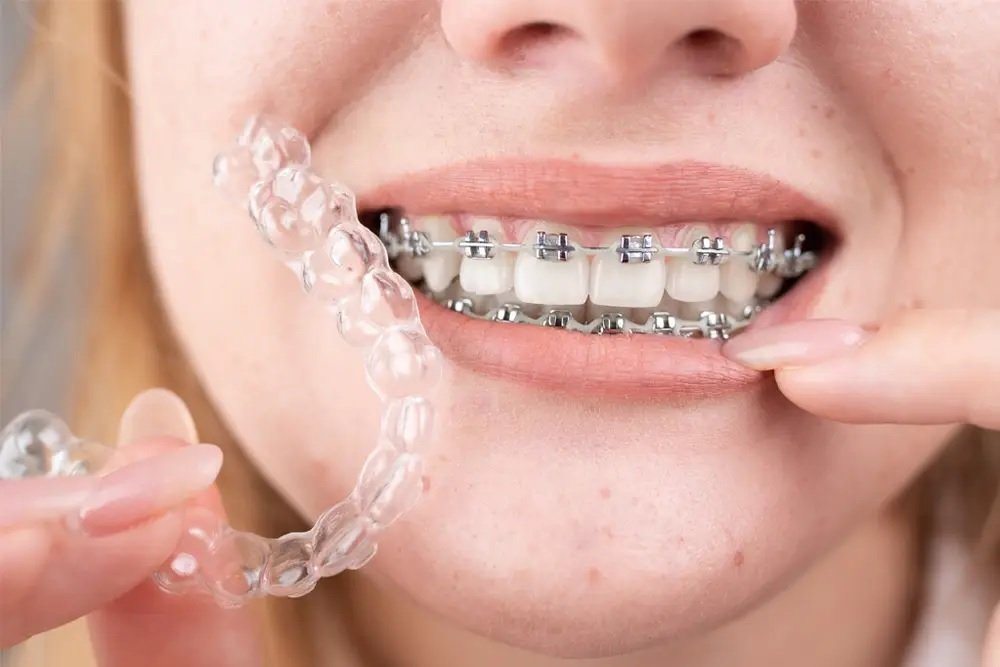
Deciding how to achieve that perfect smile often boils down to a pivotal choice: Invisalign Benefits vs. Traditional Braces. For many, it's not just about straightening teeth; it's about the journey, the daily impact, and the final result. Both methods are incredibly effective at transforming smiles, but they go about it in distinctly different ways, each with its own set of advantages and considerations.
This isn't a simple "good vs. better" scenario. Instead, it's about finding the "best for you." As a seasoned journalist specializing in health and wellness, I've seen countless individuals navigate this decision. Let's break down everything you need to know, cutting through the noise to give you the clearest picture possible.
At a Glance: Invisalign vs. Traditional Braces
Before we dive deep, here's a quick overview of the key differences:
- Visibility: Invisalign is virtually invisible; traditional braces are noticeable.
- Removability: Invisalign aligners are removable for eating, drinking, and hygiene; braces are fixed to your teeth.
- Comfort: Invisalign generally offers more comfort (no metal poking); braces can cause initial discomfort and soreness after adjustments.
- Oral Hygiene: Easier with Invisalign (remove to brush/floss); more challenging with braces (food traps, special tools needed).
- Food Restrictions: None with Invisalign; many with braces (sticky, crunchy foods often off-limits).
- Patient Compliance: High compliance needed for Invisalign (must wear 20-22 hours/day); braces require no patient compliance as they are fixed.
- Treatment Complexity: Invisalign is ideal for mild to moderate cases, but also handles many complex ones; braces are highly versatile for all types of complex misalignments.
- Treatment Duration: Often faster with Invisalign (3 months to 2 years, adults 12-18 months average); braces typically 12-36 months.
- Office Visits: Potentially fewer and quicker with Invisalign; more frequent (every 8-10 weeks) and sometimes longer with braces.
- Cost: Generally comparable, ranging from $3,000 to $7,000 for both.
Your Journey to a Straighter Smile: Understanding the Basics
The fundamental purpose of both Invisalign and traditional braces remains the same: to straighten your teeth, correct bites, and ultimately, improve your smile and oral health. But before we compare the mechanics, let's briefly touch on how this magic actually happens.
What's the Goal? More Than Just Looks
Beyond aesthetics, a properly aligned bite and straight teeth contribute significantly to oral health. They can reduce the risk of cavities (easier cleaning), prevent excessive wear on certain teeth, alleviate jaw pain, and even improve speech. Understanding the profound benefits of having straight teeth goes a long way in appreciating the investment you're considering.
The Core Technologies: A Quick Primer
Whether clear aligners or metal brackets, all orthodontic treatments rely on a remarkable biological process. They apply consistent, controlled pressure to your teeth, which in turn stimulates your body to remodel the surrounding bone.
How Teeth Move, Period
Your teeth aren't rigidly fused to your jawbone; they're held in place by periodontal ligaments. When gentle, continuous force is applied, these ligaments stretch. This stretching signals your body to break down bone on one side of the tooth (resorption) and build new bone on the other side (deposition). This controlled breakdown and rebuilding of alveolar bone is how teeth slowly and safely shift into their new, desired positions. Both Invisalign and braces harness this same biological principle.
Invisalign: The Clear Choice for Modern Orthodontics
Invisalign has revolutionized orthodontics, offering a discreet alternative to traditional metalwork. It’s a popular choice for adults and teens alike who want to straighten their teeth without a visible sign of treatment.
What Exactly is Invisalign?
At its heart, Invisalign is a brand of removable clear aligners. These custom-fit trays are made from a patented, medical-grade thermoplastic called SmartTrack plastic. Unlike braces, there are no brackets, no wires, and no elastic bands. They are, as the name suggests, virtually invisible when worn.
The Invisalign Experience: From Scan to Smile
The journey with Invisalign begins with a precise, high-tech process designed to map out your entire treatment from start to finish.
- Evaluation & Scan: It all starts with an Invisalign doctor assessing your specific needs. They'll take a highly accurate 3D digital scan of your teeth – no messy impressions needed! This scan is then used to create a sophisticated virtual treatment plan, showing you exactly how your teeth will move and what your final smile will look like.
- Custom Aligners: Based on this plan, a series of custom aligners are fabricated. Each aligner in the series is slightly different, designed to move your teeth in tiny, precise increments.
- Mechanism: When you wear an aligner, it applies consistent, gentle pressure to specific teeth. This pressure triggers that bone remodeling process we discussed earlier, gradually shifting your teeth into alignment. If you want to delve deeper into how Invisalign gradually shifts your smile, there's a lot more to explore.
The Power of Attachments
While the aligners themselves apply pressure, many Invisalign patients also receive small, tooth-colored resin ridges glued to specific teeth. These are called attachments. They act as anchors or push points, giving the aligners a better grip and enabling more complex or precise tooth movements. The aligners have corresponding "bumps" that fit over these attachments. They are often critical for control and predictability, ensuring the aligners generate specific forces. For very minor corrections, they might not be needed, but they are a common and effective part of the treatment for most.
Daily Commitment: Wearing Your Aligners
This is where patient compliance becomes paramount. Invisalign aligners are designed to be worn for 20 to 22 hours per day. You remove them only for eating, drinking anything other than water, brushing, and flossing. Each new set of aligners is generally worn for one to two weeks before you switch to the next set. Weekly changes are quite common now. Initially, when you switch to a new set, you might experience a slight feeling of pressure or discomfort, which usually subsides quickly.
Progress & Check-ups
You'll have regular check-ups with your orthodontist to monitor your progress and receive your next batch of aligners. While these visits might be less frequent than with traditional braces, they are essential. The My Invisalign app also offers virtual care options, adding to the convenience.
Post-Treatment Retention
Once your active treatment is complete, a crucial final step is wearing a transparent retainer. This is vital to keep your teeth from shifting back to their original positions, typically worn only at night.
Invisalign Treatment: How Long Does It Take?
The duration of Invisalign treatment can vary significantly based on the complexity of your case. For less complex issues, it might be as quick as 3 to 6 months. However, for more involved corrections, treatment can extend up to two years. Most adults can expect an average treatment time of 12 to 18 months.
The Price of Clarity: Invisalign Cost & Insurance
The cost of Invisalign treatment generally ranges from $3,000 to $7,000. This figure can fluctuate based on the severity of your dental misalignment, the length of your treatment, and your orthodontist's fees. It’s worth noting that these costs are typically comparable to those of traditional braces.
When it comes to payment, many dental insurance plans cover Invisalign in a similar way they would traditional braces, often covering 50% up to a certain maximum amount. Additionally, Flexible Savings Accounts (FSAs) or Health Savings Accounts (HSAs) can be excellent ways to pay for treatment with pre-tax dollars. Don't hesitate to inquire about special discounts or payment plans offered by your orthodontist. Always confirm if your dental insurance plan covers orthodontics specifically for clear aligners or braces.
Why Patients Love Invisalign: The Clear Advantages
Invisalign's popularity stems from several compelling benefits:
- Virtually Invisible: This is arguably the biggest draw. The aligners are clear and blend seamlessly with your teeth, making them incredibly discreet.
- Removable Freedom: You can take your aligners out to eat, drink, brush, and floss. This means no food restrictions, and you can maintain your usual oral hygiene routine with ease. This also helps with mastering Invisalign maintenance.
- Generally More Comfortable: Without metal brackets and wires, there's less irritation to your cheeks and gums. The pressure from aligner changes is often described as a dull ache rather than sharp pain.
- Predictable Results: The 3D treatment planning allows both you and your orthodontist to visualize the entire process and expected outcome.
- Potentially Faster Treatment Times: For many cases, Invisalign can achieve results more quickly than traditional braces.
- Fewer In-Office Visits: With aligner changes often done at home, and virtual care options, you might spend less time in the orthodontist's chair.
The Flip Side: Where Invisalign Requires More From You
Despite its many benefits, Invisalign isn't without its demands:
- Requires High Patient Compliance: The aligners only work if you wear them for the recommended 20-22 hours a day. Forgetting to put them back in, or leaving them out for too long, can delay treatment or compromise results.
- Demands Responsibility: You are responsible for properly removing, storing, and replacing your aligners. It's easy to misplace them if you're not careful.
- Initial Discomfort: While generally comfortable, new aligners can cause pressure or tenderness for a day or two.
- Cleaning: Aligners themselves need to be cleaned regularly to prevent odor and discoloration.
Traditional Braces: The Tried-and-True Solution
Before clear aligners, traditional braces were (and still are) the gold standard for straightening teeth. With over a century of proven effectiveness, they remain a powerful and versatile tool for orthodontists.
Braces, Demystified: What Are They?
Traditional braces consist of small brackets that are bonded directly to the surface of each tooth. These brackets are then connected by a thin, specialized archwire that runs through them. Small elastic bands (ligatures) or built-in clips hold the wire in place.
How Traditional Braces Straighten Your Teeth
The process begins with a thorough dental exam and X-rays to create your treatment plan. Once the brackets are bonded to your teeth, the archwire is threaded through them. This wire is the primary force-provider. It's designed to exert continuous pressure on your teeth, gradually moving them into their correct positions.
The Adjustment Process
A key part of braces treatment involves periodic adjustments in the orthodontist's office. During these visits, the orthodontist will tighten or change the archwire, replace elastic bands, and make other modifications to facilitate continued tooth movement. Each adjustment reactivates the pressure, stretching the tooth ligaments and signaling that crucial bone breakdown and rebuilding process.
Beyond Metal: Exploring Brace Types
When you hear "braces," you might immediately picture metal. However, several types of traditional braces offer different aesthetic and functional considerations:
Classic Metal Braces
These are the most common type, made from high-grade stainless steel. They are incredibly strong and effective. Modern metal braces are much smaller and less noticeable than they used to be. The wires are held by small rubber bands, which come in a variety of colors, allowing patients (especially younger ones) to personalize their look.
Discreet Ceramic Braces
For those seeking a less conspicuous option than metal, ceramic braces are an excellent choice. They function similarly to metal braces but use clear or tooth-colored ceramic brackets that blend in with your natural tooth color. They still use wires and, often, clear or white elastic bands. While less noticeable, ceramic can be slightly more fragile and may stain if not cared for properly.
Invisible Lingual Braces
These are the truly "hidden" braces. Lingual braces are custom-made and glued to the backside of your teeth, making them completely invisible from the front. They offer significant aesthetic advantages but can be more expensive, cause initial speech difficulties, and may irritate the tongue, leading to sores. They are often recommended for busy professionals who prioritize discretion without the compliance demands of clear aligners.
Self-Ligating: A Modern Twist
Self-ligating braces can be metal or ceramic, but their defining feature is how they hold the archwire. Instead of using small elastic bands, they employ a built-in metal "door" or clip system to hold the wire in place. Proponents suggest they might reduce friction and require fewer adjustments, but there's no significant difference in patient experience, treatment duration, or outcome compared to conventional braces. The choice between self-ligating and traditional ligated braces is often a matter of the orthodontist's preference.
Brace Yourself: Treatment Duration
Treatment with traditional braces generally takes between 12 to 36 months. The exact duration depends on the complexity of your case, your age, and how consistently you follow your orthodontist's instructions (e.g., wearing elastics if prescribed).
Investment in Your Smile: Braces Cost & Coverage
Similar to Invisalign, the cost of traditional braces typically ranges between $3,000 and $7,000, with many cases falling in the $5,000-$6,000 range. This cost varies based on the type of braces chosen (metal, ceramic, lingual), the complexity of the orthodontic issue, and the geographical location of your orthodontist.
As with Invisalign, some dental insurance plans will cover a portion of the cost of braces. It's crucial to check your specific plan's orthodontic benefits. Funds from Flexible Spending Accounts (FSAs) or Health Savings Accounts (HSAs) can also be used to pay for braces, offering a tax-advantaged way to manage expenses. Remember to verify your insurance coverage before committing.
The Enduring Strengths of Braces
Traditional braces have stood the test of time for excellent reasons:
- Tried and True Solution: With over 100 years of successful use, their effectiveness is undeniable.
- Highly Effective and Versatile: Braces are incredibly powerful and can treat a wide range of dental misalignments, including even the most complex malocclusions that might not be suitable for clear aligners.
- No Patient Compliance Needed: Once bonded, they are working 24/7. This makes them ideal for younger patients or anyone who might struggle with the discipline required for removable aligners.
- Fixed Appliance: You don't have to remember to put them in or worry about misplacing them.
Living with Braces: The Considerations
While effective, braces come with certain lifestyle adjustments:
- Visibly Noticeable: Even modern metal braces are still visible. Ceramic options offer more discretion but are not entirely invisible.
- Food Restrictions: You'll need to avoid hard, crunchy, sticky, or chewy foods that can damage brackets or wires. This includes things like popcorn, nuts, hard candy, chewing gum, and apples (unless cut into small pieces).
- More Challenging Oral Hygiene: Brackets and wires create many nooks and crannies where food particles can get trapped, increasing the risk of cavities and gum disease. Special tools like interdental brushes and floss threaders are often necessary for maintaining excellent oral hygiene with braces.
- Potential Discomfort: Wires or brackets can sometimes poke or scratch the inside of your mouth, leading to sores. Adjustments can cause soreness or tenderness for a few days.
- More Frequent In-Office Visits: Regular adjustments typically require visits every 8-10 weeks. Additionally, emergency visits may be needed if a wire breaks or a bracket comes loose.
Invisalign vs. Braces: A Head-to-Head Comparison
To truly weigh your options, it's helpful to see how these two orthodontic powerhouses stack up side-by-side.
Key Differences at a Glance
Let's summarize the practical distinctions in a clearer format:
| Feature | Invisalign | Traditional Braces |
|---|---|---|
| Visibility | Virtually invisible clear plastic aligners. | Visible metal (or tooth-colored ceramic) brackets and wires. |
| Removability | Removable for eating, drinking, brushing, and flossing. | Fixed to teeth; cannot be removed by the patient. |
| Comfort | Generally smoother, less irritation to soft tissues. Initial pressure with new aligners. | Potential for rubbing, poking wires/brackets. Soreness after adjustments. |
| Oral Hygiene | Remove aligners, brush/floss normally. | More challenging; requires special tools (floss threaders, interdental brushes). |
| Food Restrictions | None (remove aligners to eat). | Significant restrictions (no sticky, hard, crunchy foods). |
| Patient Compliance | Essential (20-22 hours/day wear). High patient responsibility. | Not required (fixed appliance). |
| Treatment for Complex Cases | Effective for many complex cases, but some severe cases might still favor braces. | Highly versatile and effective for nearly all types of complex misalignments. |
| Office Visits | Potentially fewer and shorter, with virtual care options. | More frequent (every 8-10 weeks) for adjustments, plus potential emergency visits. |
| Duration | 3-24 months (average adult 12-18 months). | 12-36 months. |
| Cost | $3,000 - $7,000 (comparable). | $3,000 - $7,000 (comparable). |
Who Wins? It's Not a Competition
Let's be clear: there isn't a universally "better" treatment. Both Invisalign and traditional braces are incredibly effective at straightening teeth and improving oral health. The "winner" is entirely subjective and depends on your individual needs, lifestyle, and what you prioritize.
When Invisalign Shines Brightest
Invisalign is often the preferred choice for patients who:
- Prioritize Aesthetics: If the thought of visible metal bothers you, Invisalign's discretion is a huge advantage.
- Value Convenience and Freedom: The ability to remove aligners for meals and maintain regular oral hygiene routines is a major plus.
- Are Responsible and Compliant: You must be committed to wearing your aligners for the required hours each day.
- Have Less Overly Complicated Issues: While Invisalign can handle many complex cases, it often excels with mild to moderate misalignments.
- Desire Potentially Faster Results and Fewer Office Visits: This can be a significant time-saver for busy individuals.
When Braces Are the Undisputed Champion
Traditional braces remain the go-to solution for patients who:
- Have Complicated Dental Issues: For severe malocclusions, significant bite problems, or very complex tooth movements, braces often offer more precise control and predictable results.
- May Not Be Compliant with Removable Aligners: This is especially true for younger children or some teenagers who might struggle with the responsibility of wearing and managing aligners consistently.
- Prefer a "Set It and Forget It" Approach: Once braces are on, they're working continuously without daily effort from the patient (beyond hygiene and avoiding certain foods).
- Are Budget-Conscious: While costs are comparable, sometimes specific insurance plans or orthodontist offers can make one option slightly more affordable.
Making Your Decision: Beyond the Hype
Choosing between Invisalign and traditional braces involves more than just understanding their mechanics. It's about how they fit into your life.
Cost & Insurance: Getting the Full Picture
While we've established that costs are generally comparable ($3,000 to $7,000 for both), don't assume. Get detailed quotes from your chosen orthodontist. Inquire about payment plans, financing options, and any discounts they might offer. Most importantly, speak with your insurance provider directly to understand precisely what your dental insurance plan covers regarding orthodontic treatment, whether it's for clear aligners or fixed braces.
The Patient Factor: Compliance is Key
This cannot be overstated. If you choose Invisalign, you become an active participant in your treatment. Your success hinges on wearing your aligners for the prescribed 20-22 hours daily. If you foresee this being a struggle, traditional braces might offer a more reliable path to a straight smile, as they work passively once installed.
Post-Treatment: Retainers Are Forever
Regardless of whether you choose Invisalign or traditional braces, one thing is universally true: your teeth will want to shift back to their original positions once active treatment ends. This phenomenon, known as relapse, is prevented by wearing a retainer. Understand the critical role of retainers after any orthodontic treatment and commit to wearing yours as instructed – typically nightly for the rest of your life – to preserve your beautiful new smile.
Your Next Step: Consulting an Expert
The most crucial step in this entire process is to consult with a qualified orthodontist. They are the experts who can thoroughly assess your specific dental condition, discuss your goals, evaluate your lifestyle, and present the most suitable treatment options for you.
During your consultation, ask questions! Understand the pros and cons as they relate to your unique case. Get a clear breakdown of costs, estimated treatment duration, and what to expect during the process for both Invisalign and traditional braces. Taking the time to find guidance on choosing the right orthodontist for your needs is an investment in your long-term oral health and confidence.
Remember, a perfect smile isn't just about straight teeth; it's about a healthy, functional bite and a confidence that radiates. Both Invisalign and traditional braces can get you there. Your job is to choose the path that best aligns with your journey.