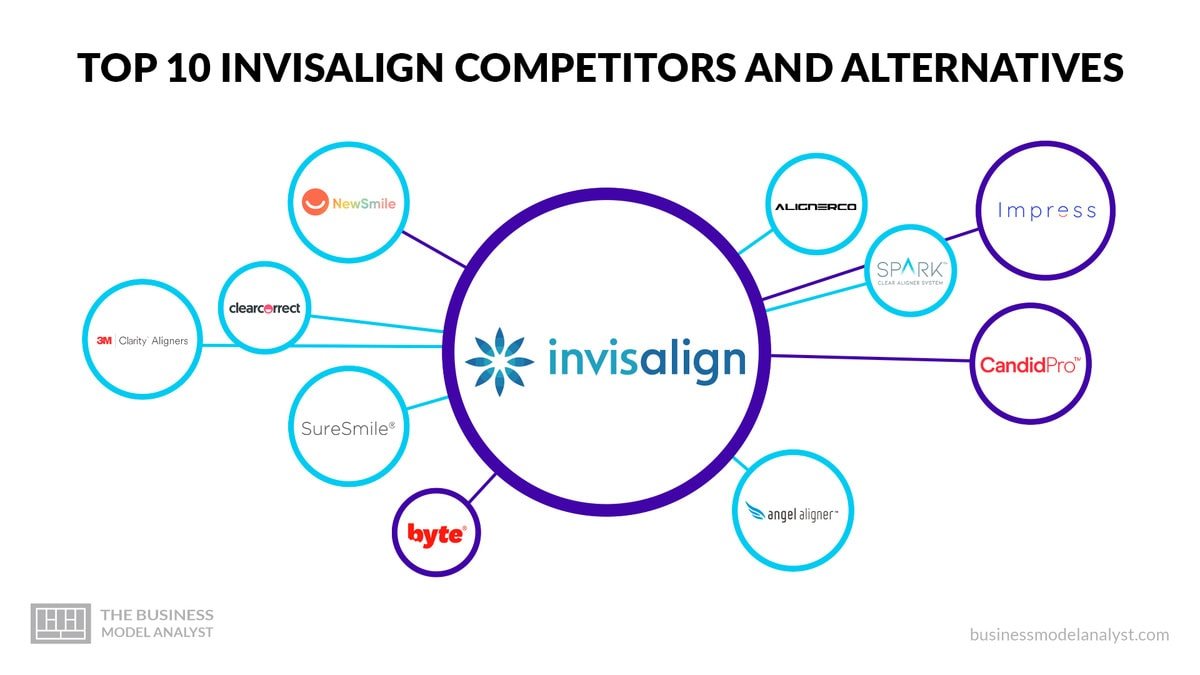
Invisalign has revolutionized orthodontics, becoming synonymous with clear aligner treatment. Its sleek design and discreet approach have helped countless individuals achieve straighter smiles without the tell-tale metal of traditional braces. Yet, as excellent as Invisalign is, it's far from the only player in the game. If you're exploring options to perfect your smile, understanding the full landscape of Invisalign alternatives and competitors is crucial. From budget-friendly remote solutions to sophisticated in-office systems, and even modern twists on traditional braces, there's a world of choices waiting to be discovered.
Think of it like this: Invisalign is a fantastic car, but maybe you need something with better gas mileage, a different aesthetic, or a more rugged off-road capability. The "best" option isn't universal; it's the one that best fits your unique needs, budget, and lifestyle.
At a Glance: Your Options Beyond Invisalign
- In-Office Aligners: Like Invisalign, these require regular visits to a dentist or orthodontist. They handle the broadest range of complex cases, often using attachments and elastics for precise tooth movements. Expect hands-on professional oversight.
- At-Home Aligners: These are 100% remote, relying on impression kits and virtual check-ins. They're typically the most affordable and convenient but are best suited for mild-to-moderate cosmetic misalignments, mainly affecting the front teeth.
- Hybrid Aligners: A blend of both, offering the convenience of remote treatment with the reassurance of some in-person visits. They can handle a slightly broader scope than purely at-home options and may use attachments.
- Traditional Braces (Modernized): Don't forget the classics! Contemporary braces, including clear and custom-made options, remain powerful tools for complex cases, often offering precision and reliability that aligners can't match.
- Key Decision Factors: Consider your case's complexity, budget, desired level of professional oversight, and convenience preferences.
Why Look Beyond Invisalign? Understanding Your Choices
Invisalign, introduced in 1999 by Align Technology, pioneered the clear aligner market. It's known for its advanced digital workflow, 3D treatment planning, proprietary SmartTrack material, and ability to tackle complex bite issues like overjet and crossbite with accessories such as attachments and elastics. Over 40,000 trained providers globally can offer it.
So, why explore alternatives? Primarily, price. While incredibly effective, Invisalign often comes with a higher average cost. But beyond budget, different systems cater to varying needs in terms of treatment complexity, desired convenience, and even aesthetic preferences.
To help you navigate this landscape, let's break down the types of clear aligner treatments available, followed by other orthodontic solutions.
The Three Main Categories of Clear Aligner Treatment
Not all clear aligners are created equal. They generally fall into three distinct types, each with its own advantages and ideal patient profile:
- "In-Office" Aligners (Clinic-Supervised):
- How it works: You'll visit a dentist or orthodontist regularly for check-ups, adjustments, and to receive new sets of aligners.
- Best for: A wide range of cases, from mild to severe misalignments and complex bite issues. These systems can incorporate attachments (small, tooth-colored bumps on teeth) and elastics (rubber bands) for more intricate movements.
- Examples: Invisalign, ClearCorrect, Spark, SureSmile, 3M Clarity Aligners.
- Pros: Maximum professional oversight, ability to treat complex cases, in-person support.
- Cons: Higher cost, requires regular appointments.
- "At-Home" Aligners (100% Remote):
- How it works: You take your own dental impressions at home (or occasionally get a scan at a partner location), receive aligners by mail, and conduct all check-ins virtually.
- Best for: Mild-to-moderate cosmetic misalignments, primarily affecting the front teeth. They generally cannot use attachments or elastics, limiting the scope of movement.
- Examples: Byte (currently suspended), NewSmile, AlignerCo.
- Pros: Most affordable, maximum convenience, no regular office visits.
- Cons: Limited clinical scope, less robust professional oversight, relies heavily on patient compliance and accurate self-impressions.
- "Hybrid" Aligners (Blended Approach):
- How it works: This model combines initial and/or periodic in-office visits with remote check-ups and aligner delivery.
- Best for: Mild-to-moderate cases that benefit from some in-person oversight or may require attachments, but still offer the convenience of remote monitoring.
- Examples: Candid, Motto by Aspen Dental (MottoComplete plan), Zenyum.
- Pros: Balance of professional oversight and convenience, often more affordable than full in-office options, can use attachments.
- Cons: Still may not treat the most complex cases, requires some in-person appointments.
Choosing the Right Type for Your Smile Journey
Making the right choice depends on your specific needs:
- Choose at-home aligners if: You have mild-to-moderate misalignment, are on a tight budget, prefer not to make regular dentist trips, and are comfortable with remote customer support.
- Choose in-office aligners if: You have a severe misalignment or bite issue, prefer consistent in-person oversight from a dentist or orthodontist, value non-remote customer service, and are prepared to invest more.
- Choose hybrid aligners if: You appreciate the convenience of at-home aligners but need or want a local provider for some direct interaction, and have some flexibility in your budget.
Evaluating Your Options: Key Criteria to Consider
Before diving into specific brands, it's helpful to understand the benchmarks for comparison. Here’s what truly matters when evaluating Invisalign alternatives:
- Clinical Scope and Case Complexity: Can the system effectively address your specific issues—mild crowding, significant bite correction, or advanced movements requiring attachments and elastics?
- Treatment Accuracy and Predictability: How reliable are the results? This depends on factors like the aligner material, the staging algorithms (how teeth move in sequence), and the company's track record.
- Provider Network and Expertise: How easy is it to find a qualified provider? Does the system offer flexible appointment options, and do its professionals have extensive experience? This is especially crucial for in-office and hybrid models.
- Digital Workflow and Ecosystem: Does the provider use advanced 3D scanning, sophisticated planning software, and potentially remote monitoring tools to ensure precision and convenience?
- Price, Insurance, and Total Cost: Look beyond the sticker price. Inquire about lab fees, costs for refinements (additional aligners if teeth don't track as planned), retainers, replacements, and available financing options.
- Patient Experience and Convenience: How comfortable are the aligners? What's the recommended wear schedule? How fast is the treatment, and what kind of support can you expect throughout your journey?
- Support, Training, and Policies: Research customer service quality, the level of training provided to clinicians, and the company's warranty or refinement policies, which can be critical if your treatment doesn't go exactly as planned.
Top Invisalign Alternatives & Competitors
Now, let's explore some of the leading alternatives, categorized by their treatment model.
A. At-Home Clear Aligners: Convenience on a Budget
These options emphasize affordability and flexibility, perfect for those with simpler needs.
- Byte
- Status Alert: As of October 24, 2024, Byte sales have been indefinitely suspended due to ongoing FDA consultations. This means it is currently not an active option for new patients.
- Facts (if sales resume): Launched in 2018 and acquired by Dentsply Sirona, Byte quickly became a prominent name, serving over 500,000 customers. It's known for its innovative technology and strong guarantees.
- Treatment Time: Often the shortest, averaging 4–5 months.
- Pros: Features the HyperByte device (intended to enhance comfort and speed treatment), a Byte-for-Life guarantee (requiring retainer purchases every 6 months), accessible financing regardless of credit score, and a personal customer service advisor. Offers a convenient nighttime-only treatment option (10 hours/day).
- Cons: Virtual check-ins are recommended but not always strictly required, leading to less robust oversight than in-person care. No physical scan locations, so it relies on impression kits. Best for mild-to-moderate misalignments, focusing primarily on front teeth and not suitable for complex bite or skeletal issues.
- Recommendation (if sales resume): For those seeking convenient, efficient, and affordable aligner therapy with strong customer guarantees, primarily for cosmetic front-tooth alignment.
- NewSmile
- Facts: Debuted in Canada in early 2020 before establishing its U.S. headquarters.
- Price: Around $1,595, making it one of the lowest-priced options. This often includes the impression kit, retainers, and a whitening kit.
- Treatment Time: Typically 4–6 months.
- Pros: Very competitive sticker price with valuable extras included. Offers significantly faster treatment times than many traditional aligner systems. Provides interest-free financing and a satisfaction guarantee. Also offers a nighttime-only aligner option.
- Cons: No U.S. retail locations for in-person scans, so you'll need to use their impression kit. Being a smaller company, there are fewer customer reviews compared to more established brands.
- Recommendation: A strong contender for those prioritizing affordability, accessible financing, remote oversight, and the flexibility of nighttime-only aligners.
- AlignerCo
- Facts: A newcomer focused aggressively on offering the lowest possible prices.
- Price: Often as low as $995, frequently running sales and promotions, making it the lowest sticker price in the industry.
- Treatment Time: Generally 4–6 months.
- Pros: Unbeatable sticker price for aligner treatment. Offers the SmileFlex Easy financing plan, which is available to everyone without a credit check. Promises fast treatment outcomes.
- Cons: Requires an impression kit as there are no in-person dental scans. Limited physical presence (one general inquiry office in Long Island, NY, but not for scans). Fewer reviews due to its newer status. Remote oversight is less robust, and the system lacks the ability to use attachments or perform interproximal reduction, severely limiting the complexity of movements it can achieve.
- Recommendation: The go-to choice for individuals on a very tight budget, with mild cosmetic concerns.
B. In-Office & Hybrid Clear Aligners: Professional Care with Added Options
These systems provide varying degrees of professional oversight, making them suitable for a broader range of cases than purely at-home options.
- ClearCorrect
- Facts: Founded in 2006 and now part of the Straumann Group, ClearCorrect is a direct and established competitor to Invisalign, offering doctor-directed treatment.
- Price: Averages $3,000–$6,000, which can often be lower than Invisalign. It offers flexible pricing models with limited, moderate, and full treatment packages.
- Pros: Strong global presence with a robust network of providers. Utilizes proprietary tri-layer ClearQuartz material known for clarity, crack resistance, force retention, and patient comfort. Its ClearPilot treatment planning software gives dentists and orthodontists detailed control. Can treat a variety of severe conditions using attachments. Offers an open digital workflow and competitive refinement policies.
- Cons: Has a shorter history than Invisalign, and fewer providers, which might make it slightly harder to find locally in some areas.
- Recommendation: Ideal for cost-conscious patients seeking a clinic-supervised aligner system that still offers robust planning tools and can handle a wide array of cases.
- Spark Aligners
- Facts: Backed by Ormco, a long-standing leader in orthodontic products, Spark targets orthodontists looking for premium control and superior aesthetics.
- Pros: Made with TruGEN material, renowned for its very high clarity and stain resistance, along with a smooth, comfortable finish. Provides doctor-led planning with robust controls for attachments, staging, and advanced movements. Supported by Ormco’s deep orthodontic heritage and comprehensive training for clinicians. Offers flexible refinement structures and integrates seamlessly with existing orthodontic toolsets. Strong presence in specialty orthodontic clinics. Total treatment costs are competitive.
- Recommendation: Perfect for image-conscious users who prioritize incredibly clear aligner trays and for orthodontists managing moderate to complex cases, desiring premium aesthetics with deep doctor-directed customization.
- SureSmile
- Facts: Launched in 2007 by Dentsply Sirona, another major dental technology company, SureSmile emphasizes doctor-driven planning and seamless integration with advanced imaging.
- Price: Ranges from $2,000–$6,000, with mild cases sometimes costing similarly to at-home options. Offers two primary plans: Complete and Select.
- Pros: Benefits from an integrated ecosystem with Dentsply Sirona’s Primescan and other imaging devices for a highly streamlined workflow. Clinicians have extensive control over staging and attachment placement. Treats a broad spectrum of cases (limited, moderate, comprehensive). Facilitates cloud-based collaboration between providers. Offers competitive pricing, remote check-in workflows, choice of aligner cut, and the option for a VPro high-frequency vibration device to potentially speed up treatment.
- Cons: Not as long-standing or widely available as Invisalign. Some dentists find Invisalign's SmartTrack material to be more durable.
- Recommendation: A strong contender for those seeking a discreet and often more affordable alternative to traditional braces, especially appealing to practices looking for an end-to-end digital workflow solution.
- 3M Clarity Aligners
- Facts: Leverages 3M’s renowned materials science expertise, utilizing multiple proprietary plastics. These aligners are exclusively available through orthodontists and can even be combined with 3M Clarity Clear Braces for hybrid treatment.
- Price: Averages around $5,000, making it similar in cost to Invisalign.
- Pros: Backed by the reputable 3M brand, known for quality. Uses Flex and Force materials for tailored force delivery, optimizing specific tooth movements. Features robust attachment libraries, often smaller and allowing for multiple attachments per tooth for complex movements. Offers integrated planning software ideal for combination treatments (aligners and clear braces). Global distribution and support, and accepts common scan formats.
- Cons: Higher cost, typically similar to Invisalign. Fewer providers available compared to Invisalign.
- Recommendation: A powerful clear aligner solution, particularly strong for complex treatment planning or hybrid strategies involving both aligners and clear braces, though it comes with a higher expected cost.
- Candid (Hybrid Service)
- Facts: Originally a fully remote service, Candid transitioned to a dentist-directed hybrid model, requiring at least one initial office visit followed by intensive remote monitoring.
- Treatment Time: Typically faster than Invisalign, averaging 6–9 months.
- Price: Often starts around $3,500+, generally less expensive than Invisalign.
- Pros: Promises faster treatment times than many in-office aligners. Offers a streamlined and intensive remote monitoring process with digital scans every 14 days, reviewed by both your local dentist and Candid’s orthodontic team. Capable of comprehensive treatment, moving all teeth including molars. Boasts a growing network of partner providers across the U.S.
- Cons: Cannot treat the same broad scope of conditions as Invisalign, as it doesn't typically utilize additional attachments or elastics. Has a shorter track record and fewer providers (300+ vs. 40,000+ for Invisalign).
- Recommendation: An excellent choice for those who desire the reassurance of some in-person care combined with the convenience and oversight of robust remote treatment.
- Motto by Aspen Dental (Cheapest In-Office Alternative / Hybrid)
- Facts: Launched in 2021 by Aspen Dental, the second-largest dental network in the U.S., Motto offers three distinct packages, with MottoComplete incorporating hybrid elements.
- Pros: Extremely high accessibility with over 1,000 U.S. locations. Offers different treatment packages to suit various needs. The MottoComplete plan includes an initial in-office scan with subsequent app-based check-ins. Provides "Tray 1 on Day 1" (meaning you can start treatment immediately after your initial consultation) and includes whitening. CareCredit financing is widely available. Suitable for a wider range of conditions than many fully remote services.
- Cons: The Motto Assured satisfaction guarantee (30 days) is less generous than some competitors. Final price depends on the extent of treatment. Customer satisfaction can vary significantly by individual Aspen Dental location. It's a relatively new treatment program.
- Recommendation: Ideal for price-sensitive patients who desire the in-office aspect of Invisalign and want to get started quickly, or prefer a hybrid treatment plan with widespread access.
- Zenyum
- Facts: A prominent Southeast Asian brand operating through a network of partner dentists, Zenyum successfully blends app-based support with essential in-clinic checks.
- Pros: Strong regional presence in Asia, offering a hybrid model that combines teledentistry with necessary clinic visits. Features an intuitive app for progress tracking and support. Offers tiered product options to suit different case complexities. Competitive pricing and modern branding appeal to a younger demographic.
- Cons: More complex cases are typically referred to orthodontists, indicating a focus on mild-to-moderate corrections.
- Recommendation: For patients in its service regions seeking a modern, technology-driven clear aligner experience with professional oversight for less complex cases.
- Angel Aligner
- Facts: A leading clear aligner brand in China, Angel Aligner is rapidly expanding its global reach through strategic partnerships with orthodontists. It places a strong emphasis on doctor-supervised care.
- Pros: Boasts a large installed base and a growing global footprint. Offers doctor-led planning with extensive attachment libraries, providing precise control over tooth movement. Features digital workflows compatible with common scan files. Uses advanced material formulations designed for optimal clarity and consistent force maintenance. Provides various case categories, from cosmetic to comprehensive corrections, potentially at competitive pricing. Strong ongoing R&D and clinician education.
- Recommendation: For patients and orthodontists seeking a globally expanding, doctor-led clear aligner system with advanced technology and a focus on clinical control.
C. Other Orthodontic Alternatives: Modern Braces & Fixed Appliances
Sometimes, clear aligners aren't the best fit, or you might prefer the reliability of a fixed appliance. Modern braces offer discreet and highly effective solutions.
- Six Month Smiles (Clear Braces/Aligners)
- Facts: This system specifically targets short-term cosmetic orthodontics, focusing on the "smile zone" (the teeth visible when you smile). It offers both clear braces and clear aligners.
- Pros: The clear braces option uses tooth-colored brackets and wires, providing a discreet fixed treatment primarily for the front teeth. The aligner option adds flexibility for those who prefer removable appliances. Known for significantly shorter treatment timelines (typically 4-9 months) for mild-to-moderate crowding issues. Provider training aims for highly predictable outcomes within its scope. Often incurs lower costs than comprehensive full-arch systems. Treatment is customized in-office.
- Cons: Not designed or intended for complex bite corrections or comprehensive movement of all teeth. It's a cosmetic solution rather than a full orthodontic overhaul.
- Recommendation: Excellent for adults primarily concerned with quickly and discreetly improving the appearance of their front teeth, without needing extensive bite correction.
- Damon System (Self-Ligating Braces)
- Facts: A sophisticated self-ligating braces platform from Ormco, the Damon System is available in both traditional metal and aesthetic clear brackets. It is a fixed appliance.
- Pros: Self-ligating mechanics can reduce friction and may lead to fewer adjustment appointments and potentially faster treatment. The clear bracket options significantly improve aesthetics compared to traditional metal braces. It's highly suitable for complex cases, including severe crowding and significant bite discrepancies. As a fixed appliance, it removes compliance risk—it works 24/7. Boasts a large global provider base. Total treatment costs are often comparable to premium clear aligners.
- Recommendation: For patients prioritizing reliability, requiring extensive or complex tooth movements, and who prefer not to worry about aligner compliance, making it a robust alternative to aligners.
- LightForce (3D Printed Custom Braces)
- Facts: LightForce represents the cutting edge of fixed orthodontics, offering 3D printed, patient-specific ceramic brackets. The entire process, from planning to indirect bonding, is fully digital.
- Pros: Offers unparalleled precision with custom brackets and trays designed for the exact anatomy of each tooth, which can significantly improve treatment efficiency and control. The translucent ceramic material blends seamlessly with natural tooth color for excellent discretion. Digital planning enables an incredibly precise setup and outcome. Indirect bonding reduces chair time during bracket placement. Highly effective for complex movements and challenging bite corrections, and works well in hybrid treatment plans.
- Recommendation: The top choice for patients who desire maximum aesthetics, precision, and efficiency in fixed orthodontic treatment, especially effective for complex movements that might challenge clear aligner systems.
- 3M Clarity Ceramic Braces
- Facts: These are fixed appliances featuring discreet, tooth-colored brackets, leveraging 3M’s advanced engineering and materials science.
- Pros: The translucent ceramic brackets blend with your natural enamel, providing a very low-profile and aesthetic alternative to clear aligners. As fixed braces, they provide continuous force without any compliance concerns, ensuring consistent progress. They have widespread provider access. There's an option to mix ceramic brackets in visible areas with metal brackets in less visible areas to manage costs. Suitable for a wide range of malocclusions, from simple to complex.
- Recommendation: An excellent choice for patients open to fixed appliances who want a discreet, reliable, and powerful treatment option for complex issues, but at a more accessible price point than fully custom brackets.
The Right Path for Your Smile: Making an Informed Decision
Navigating the world of orthodontics can feel overwhelming, but it doesn't have to be. The "best" Invisalign alternative or competitor isn't a single product; it's the solution that aligns perfectly with your individual priorities, including your budget, the complexity of your case, your cosmetic preferences, and your preferred level of professional oversight.
Your first and most crucial step is to consult with a qualified dentist or, ideally, an orthodontist. Discuss your smile goals, desired timelines, and the total estimated treatment costs for different options. A skilled clinician will be able to assess your unique dental needs and recommend the most effective and efficient path forward.
Remember, regardless of the system you choose, it's vital to select a provider with extensive experience in that particular system and a clear, transparent refinement policy. Understanding what happens if your teeth don't move as expected can save you significant time, money, and frustration down the line.
Ultimately, achieving a healthier, more confident smile is a journey. By exploring these diverse Invisalign alternatives and competitors, you're empowering yourself to make the most informed decision, leading you to a smile you'll truly love.